Liberty Head $20 Double Eagle Gold Coin
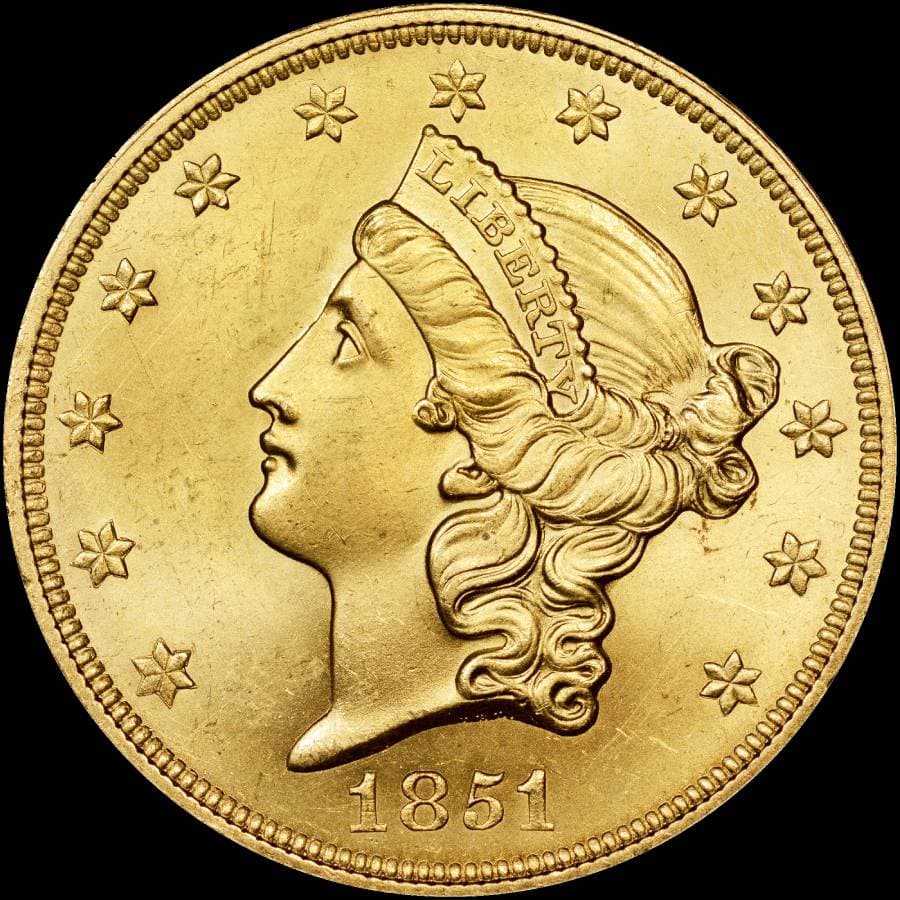
Images are for educational/reference use and may not represent current inventory.
Gold Silver Crypto sells Liberty Head $20 Double Eagles, with live spot-based pricing and secure checkout. Pricing depends on live gold value, date, mintmark, design type, authenticity, condition, certification, and current numismatic demand.
Related Products
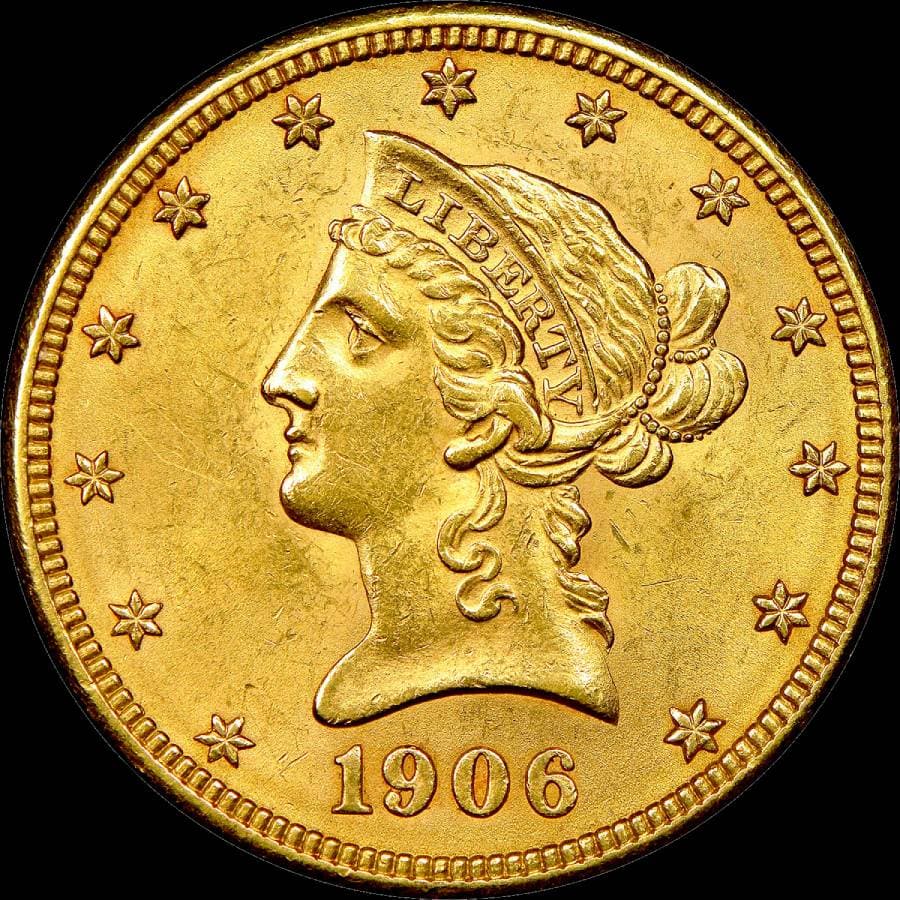
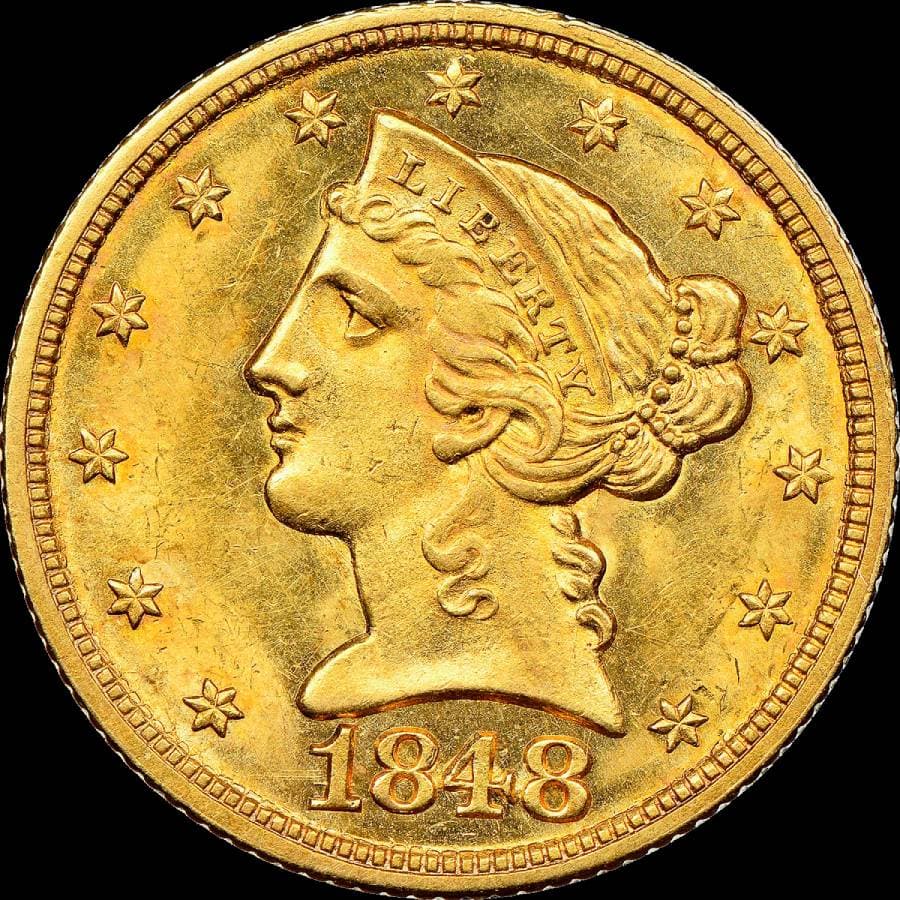
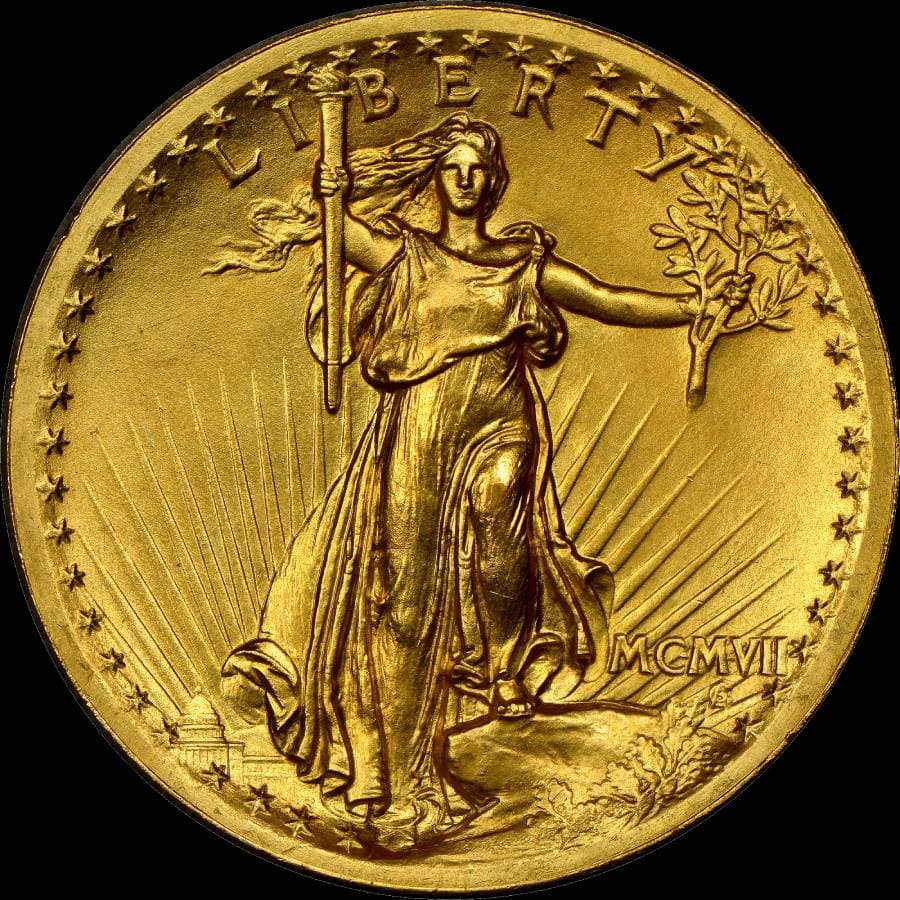
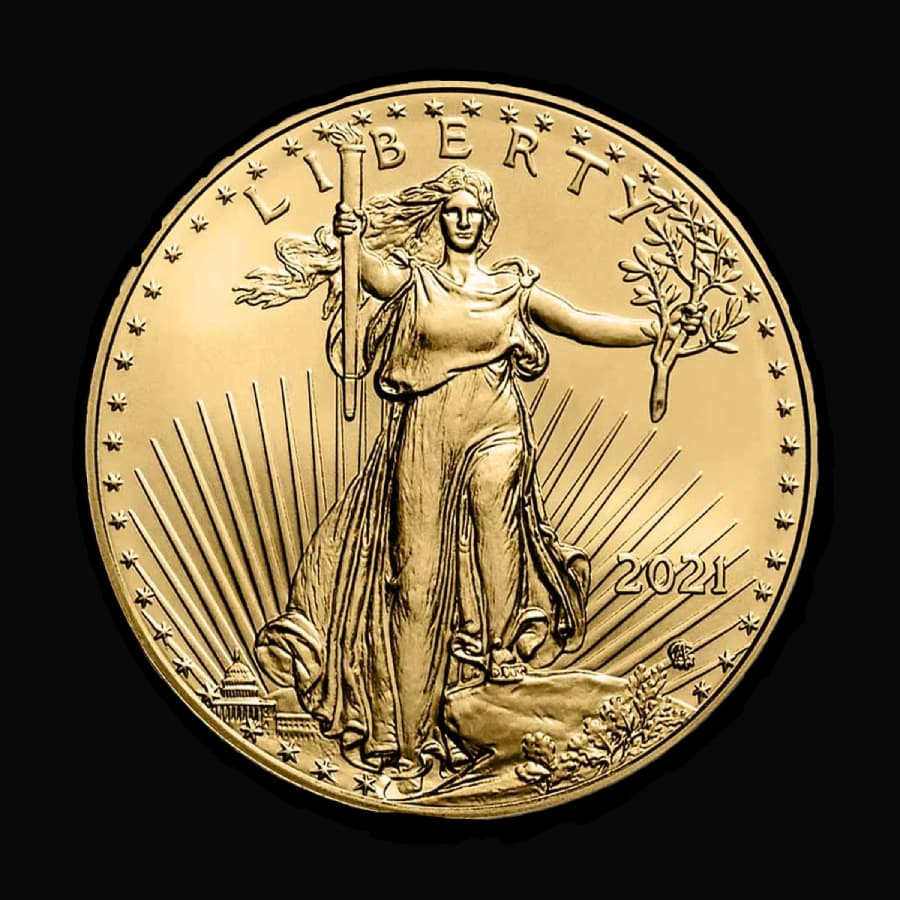
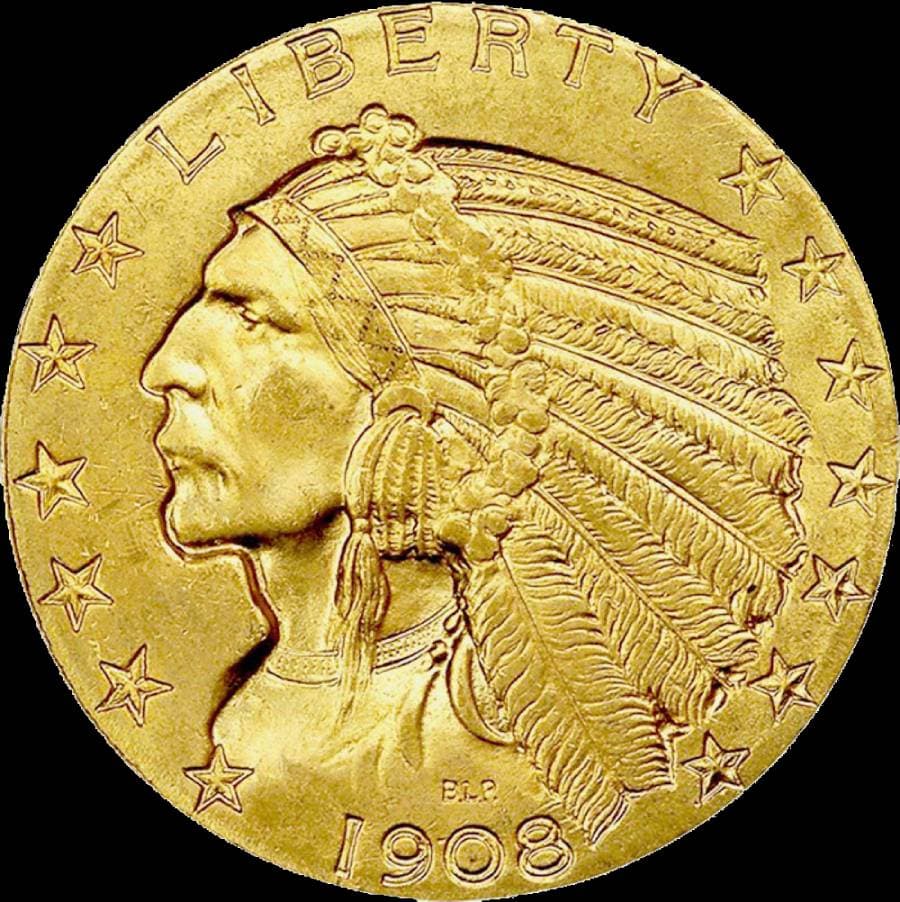
Liberty Head Double Eagle Specifications
| Metal | Gold |
| Purity | 90% gold / .900 fine |
| Actual gold content | Approximately 0.9675 troy oz |
| Total weight | Approximately 33.436 g |
| Diameter | Approximately 34 mm |
| Face value | $20 legal tender |
| Designer | James B. Longacre |
| Regular circulation issue dates | 1850–1907 |
| Mints | Philadelphia, New Orleans, San Francisco, Carson City, and Denver |
| Edge | Reeded |
The $20 face value is a legal tender denomination, not the coin's modern market value. Total weight is higher than actual gold content because the coin is a 90% gold alloy, not pure gold. Date, mintmark, type, condition, grade, authenticity, and certification can all add numismatic value on top of the coin's gold content. A single exceptional coin dated 1849 exists in the Smithsonian's National Numismatic Collection — it is not a normal issue and is not something customers are likely to own.
About the Liberty Head Double Eagle
The California Gold Rush sent large volumes of gold to the Philadelphia Mint, prompting Congress to authorize a $20 denomination in 1849 — twice the value of the existing $10 eagle, hence the name “double eagle.” Chief Engraver James B. Longacre designed the coin, and regular circulation production began in 1850.
The obverse depicts Liberty facing left, wearing a coronet inscribed LIBERTY, surrounded by thirteen stars with the date below. The reverse depicts a heraldic eagle with a shield. Because of its large size, the Double Eagle was widely used in large domestic transactions, bank reserves, and international trade throughout the second half of the 1800s.
Production continued through 1907, when the design was replaced by the Saint-Gaudens Double Eagle. Many surviving Liberty Head Double Eagles show heavy contact marks from circulation and bag storage, since the coin was handled as working money rather than set aside as a collectible. Some examples survive today because they were held overseas, found in later hoards, or recovered from documented shipwrecks — not because every old example escaped melting or heavy wear.
How to Identify a Liberty Head $20 Gold Coin
The obverse shows Liberty facing left, wearing a coronet inscribed LIBERTY, with thirteen stars around the border and the date below her portrait. The reverse shows a heraldic eagle with a shield, along with the denomination wording. The mintmark, when present, is located on the reverse beneath the eagle — no mintmark for Philadelphia, ‘O’ for New Orleans, ‘S’ for San Francisco, ‘CC’ for Carson City, and ‘D’ for Denver.
The coin measures about 34mm in diameter and weighs about 33.436 grams, with a reeded edge. Weight alone does not prove authenticity — some counterfeits and altered coins can approximate the correct weight, and altered or added mintmarks are a known issue used to imitate scarcer mints. Because of this, professional testing or third-party certification is often necessary before relying on a coin's stated date and mintmark for pricing.
The Three Liberty Head Double Eagle Types
The Liberty Head Double Eagle series has three major design types, distinguished mainly by the reverse motto and denomination wording.
| Type | Dates | Motto | Denomination Wording |
|---|---|---|---|
| Type 1 | Regular issues: 1850–1866 | No IN GOD WE TRUST | TWENTY D. |
| Type 2 | 1866–1876 | With IN GOD WE TRUST | TWENTY D. |
| Type 3 | 1877–1907 | With IN GOD WE TRUST | TWENTY DOLLARS |
Type 1 regular issues: 1850–1866
Type 1 coins have no motto on the reverse and read “TWENTY D.” Regular circulation production began in 1850 and continued through 1866. A single exceptional coin dated 1849 exists as a pattern piece in the Smithsonian's National Numismatic Collection — it predates regular production and is not a normal issue. Type alone does not determine value — date, mintmark, grade, and condition still matter within Type 1, and some Type 1 dates and mintmarks are significantly scarcer than others.
Type 2 (1866–1876)
Type 2 coins add the motto IN GOD WE TRUST to the reverse, above the eagle, while still reading “TWENTY D.” This type was struck from 1866 through 1876. As with Type 1, individual dates and mintmarks within Type 2 vary widely in availability and should be evaluated on their own merits.
Type 3 (1877–1907)
Type 3 coins spell out the full denomination as “TWENTY DOLLARS” and include additional design refinements. This type was struck from 1877 through 1907, when the series ended and was replaced by the Saint-Gaudens Double Eagle. Type 3 includes both common late-date issues and some genuinely scarce dates and mintmarks.
Liberty Head Double Eagle Mintmarks
Liberty Head Double Eagles were struck at five different mints. The mintmark, when present, is located on the reverse beneath the eagle.
Philadelphia
No mintmark. A no-mintmark coin is not automatically common — some early Philadelphia dates are scarce, and each date should be checked individually.
New Orleans
‘O’ mintmark. Generally associated with earlier portions of the series. Some New Orleans dates are genuinely scarce or rare, but the mintmark alone does not set value — the specific date must be verified.
San Francisco
‘S’ mintmark. A major producer during the Gold Rush and westward expansion period. Some San Francisco dates are common relative to others, while certain varieties and high grades remain scarce.
Carson City
‘CC’ mintmark. Carson City coins carry strong collector recognition and often command a premium, but not every CC issue has the same rarity or value — some CC dates are far scarcer than others.
Denver
‘D’ mintmark. Appears only near the end of the Liberty Head series. Should not be confused with Denver mintmarks on other denominations or later Saint-Gaudens issues.
Common Dates, Better Dates, and Rare Issues
Not every Liberty Head Double Eagle should be priced the same way. Some later Philadelphia and San Francisco dates are encountered frequently and trade mainly on gold content plus a market premium. Certain New Orleans and Carson City issues, by contrast, can be genuinely scarce or rare — original mintage alone does not establish present rarity, since surviving population, grade, condition, certification, and current market demand all matter more than mintage figures.
The 1870-CC is a well-documented example: it had a small original mintage and an even smaller surviving population today, making it one of the most sought-after Carson City issues in any condition. Coins recovered from the S.S. Central America shipwreck, primarily 1857-S Double Eagles, are another example of how documented history can affect a coin's standing, though not every 1857-S Double Eagle carries that provenance — a shipwreck claim should be supported by recognized documentation or third-party certification. Established rarities such as the 1854-O, 1856-O, and 1861-S Paquet Reverse are recognized by PCGS and NGC as significant issues within the series — but these examples illustrate the concept, not a complete list of every scarce date. Because added and removed mintmarks are known, any rare-date or rare-mintmark claim should be verified through professional certification before a numismatic premium is assigned.
Shipwreck Liberty Head Double Eagles
Some Liberty Head Double Eagles have documented recovery from a specific shipwreck. The best-known example is the S.S. Central America, which sank off the coast of South Carolina in 1857 carrying newly minted 1857-S Double Eagles among its cargo. Recovery efforts beginning in the late 1980s brought thousands of these coins back to the surface, many in exceptional condition due to their time undisturbed on the ocean floor.
Recognized shipwreck provenance, paired with third-party certification confirming the coin's recovery history, can carry strong collector demand beyond a coin's gold content and grade alone. That said, a shipwreck label does not automatically make every coin from that date extraordinarily rare. Not every 1857-S Double Eagle has documented shipwreck provenance. A coin should only be marketed or priced as an S.S. Central America recovery when that provenance is supported by recognized documentation or third-party certification. Seawater exposure can also alter coin surfaces in ways that affect grading.
Raw vs. Graded Liberty Head Double Eagles
PCGS and NGC are third-party grading services that authenticate a coin and assign a numeric grade reflecting its condition. A certified holder provides an independent opinion on authenticity and grade, which the market generally trusts — but a holder does not make every coin inside it rare. Grade can materially affect a coin's collector value, particularly for scarcer dates and mintmarks.
Damaged, cracked, or questionable-looking holders should be inspected carefully, and certification numbers can and should be verified against the grading service's public records before relying on the labeled grade. Gold Silver Crypto evaluates the actual coin and current market conditions, not merely the plastic holder it arrives in. Raw, uncertified coins are also bought and sold. Authentication is completed during the in-person evaluation before a transaction is finalized, and pricing reflects the coin's authenticity, condition, date, mintmark, and current market.
Liberty Head vs. Saint-Gaudens Double Eagle
These are two different Double Eagle series, not the same coin. The Saint-Gaudens $20 Double Eagle replaced the Liberty Head design in 1907.
| Feature | Liberty Head Double Eagle | Saint-Gaudens Double Eagle |
|---|---|---|
| Designer | James B. Longacre | Augustus Saint-Gaudens |
| Issue period | 1850–1907 (exceptional 1849 example not a normal issue) | 1907–1933 |
| Obverse design | Coronet-style Liberty portrait facing left | Full-length standing Liberty with torch |
| Reverse design | Heraldic eagle with shield | Flying eagle above a rising sun |
| Purity | 90% gold (.900 fine) | 90% gold (.900 fine) |
| Actual gold content | Approximately 0.9675 troy oz | Approximately 0.9675 troy oz |
| Total weight | Approximately 33.436 g | Approximately 33.436 g |
| Face value | $20 legal tender | $20 legal tender |
| Major varieties | Type 1, Type 2, Type 3 | No Motto, With Motto, 1907 High Relief |
| Mint locations | Philadelphia, New Orleans, San Francisco, Carson City, Denver | Philadelphia, Denver, San Francisco |
| Primary market | Historical / numismatic and bullion | Historical / numismatic and bullion |
| Potential numismatic value | Yes, depending on date, mintmark, type, grade | Yes, depending on date, mintmark, grade |
Both coins are 90% gold with approximately 0.9675 troy ounce of actual gold content and a $20 legal-tender face value. They are different coin series with different designs and history, and should not be priced interchangeably.
Our Take
Common-date Liberty Head Double Eagles can be recognizable and liquid, combining substantial gold content with genuine historical interest. That combination makes them appealing to buyers who want more than a plain bullion coin.
They are not automatically the lowest-cost way to acquire gold. A buyer focused only on accumulating ounces may find modern bullion coins or gold bars more efficient, since a Liberty Head carries less than a full troy ounce of gold per coin and its price can include a numismatic premium a bullion-only buyer does not need.
Sellers should have the date, mintmark, type, grade, and authenticity checked before accepting a bullion-only offer, and buyers should not assume every old or Carson City coin is rare. Counterfeits and altered mintmarks exist in this series, which makes proper verification an important step for both sides of a transaction.
Frequently Asked Questions
Add it to your cart and check out securely online with live, spot-based pricing, or call or text (385) 442-9636 if you would rather order by phone. Orders ship fully insured, and free local pickup is available.
Utah exempts investment-grade precious metals from sales tax, so no sales tax is added to bullion orders like this one. Tax treatment in other states varies, and any applicable tax is calculated at checkout.
A Liberty Head Double Eagle contains approximately 0.9675 troy ounce of actual pure gold. The coin is struck in a 90% gold, 10% copper alloy, so its total weight (about 33.436 grams) is higher than its actual gold content. It does not contain a full troy ounce of gold.
A single exceptional example is dated 1849 and is not a normal issue — it resides in the Smithsonian's National Numismatic Collection and is not something customers are likely to own. Regular circulation production began in 1850 and continued through 1907, when the design was replaced by the Saint-Gaudens Double Eagle. Availability varies significantly by year and mint.
The mintmark is on the reverse, beneath the eagle. Coins struck in Philadelphia carry no mintmark. New Orleans coins carry an 'O,' San Francisco coins carry an 'S,' Carson City coins carry 'CC,' and Denver coins (only near the end of the series) carry a 'D.' Because mintmarks affect value, verify that one has not been added or altered before assuming a coin is a scarcer mint.
Type 1 regular issues (1850–1866) have no motto and read 'TWENTY D.' on the reverse. Type 2 (1866–1876) adds the motto IN GOD WE TRUST while still reading 'TWENTY D.' Type 3 (1877–1907) spells out 'TWENTY DOLLARS' and includes additional design refinements. Type alone does not determine value — date, mintmark, grade, and condition still matter within each type.
Often, yes, because Carson City coins carry strong collector recognition and many CC dates had low original mintages. That said, not every Carson City issue has the same rarity or value — some CC dates are more available than others, and grade, condition, and certification all affect the final number. Each date needs to be checked individually.
No. Many Liberty Head Double Eagles, particularly later Philadelphia and San Francisco dates, are relatively common today and trade primarily on gold content plus a market premium. Some New Orleans and Carson City issues are genuinely scarce or rare, but age and mintmark alone do not establish rarity — surviving population, grade, and demand matter more than mintage figures.
The Liberty Head Double Eagle was designed by James B. Longacre and issued from 1850 to 1907, featuring a coronet-style Liberty portrait on the obverse and a heraldic eagle on the reverse. The Saint-Gaudens Double Eagle, designed by Augustus Saint-Gaudens, replaced it and was issued from 1907 to 1933, featuring a full-length standing Liberty and a flying eagle. Both are 90% gold with approximately 0.9675 troy ounce of actual gold content and a $20 face value, but they are different coin series with different designs and should not be priced interchangeably.
No. Cleaning or polishing a Liberty Head Double Eagle can permanently reduce its numismatic value, even though it does not remove gold content. Cleaning marks and altered surfaces are visible to graders and dealers and can move a coin out of a higher grading tier. Bring the coin in as-is or text photos before doing anything to it.
Often, yes, particularly for scarcer dates, mintmarks, or higher grades, because third-party certification confirms authenticity and assigns a grade the market recognizes. A certified holder does not automatically make a coin rare, and the certification number and coin should still be checked. Raw, uncertified coins are also bought and sold. Authentication is completed during the in-person evaluation before a transaction is finalized, and pricing reflects the coin's authenticity, condition, date, mintmark, and current market.
Some Liberty Head Double Eagles have documented recovery from a specific shipwreck, most notably thousands of 1857-S coins recovered from the S.S. Central America decades after it sank in 1857. Coins with genuine, documented shipwreck provenance and certification can carry strong collector demand. Not every 1857-S Double Eagle has documented shipwreck provenance. A coin should only be marketed or priced as an S.S. Central America recovery when that provenance is supported by recognized documentation or third-party certification.
Yes. Text clear photos of the obverse and reverse, the date, the mintmark area beneath the eagle, and any certification label to (385) 442-9636. Photos help us give you a preliminary sense of what you have, but final authentication and pricing require an in-person evaluation of the actual coin.
Related Gold Products
Ready to buy a Liberty Head Double Eagle?
Add it to your cart for live, spot-based pricing and secure checkout, or call or text if you would rather order by phone. Photos can help with a preliminary discussion, but final authentication and pricing require an in-person evaluation.
About This Page
Editorial note: Liberty Head Double Eagle values depend on gold spot price, date, mintmark, type, condition, certification, and collector demand. This page is intended as an identification and buying/selling guide, not a price list, appraisal, or financial advice. Specifications were verified against United States Mint historical data, PCGS CoinFacts, and NGC numismatic references.
Last updated: July 2026