Pre-1933 U.S. Gold Coins
Gold Silver Crypto buys and sells historic U.S. gold coins minted before the 1933 gold recall, including Saint-Gaudens and Liberty Head Double Eagles and Liberty Head and Indian Head Half Eagles. These coins can carry both gold value and collector value, so date, mintmark, condition, and grade all matter.
Call or text us to ask about current pre-1933 gold coin inventory or to get a quote on coins you want to sell.
Pre-1933 Gold Coins We Buy and Sell
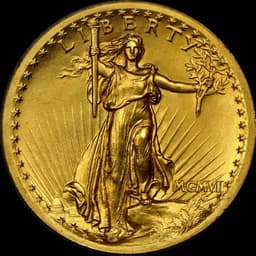
Saint-Gaudens $20 Double Eagle
Widely regarded as one of the most admired U.S. coin designs. Issued in No Motto, With Motto, and 1907 High Relief varieties.
Years: 1907–1933
Gold content: Approximately 0.9675 troy oz
Read guide →
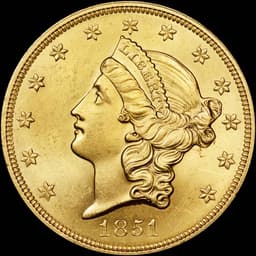
Liberty Head $20 Double Eagle
Struck across three design types (Type 1, 2, and 3) at Philadelphia and multiple branch mints, including several Carson City issues.
Years: 1850–1907
Gold content: Approximately 0.9675 troy oz
Read guide →
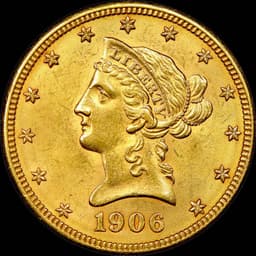
$10 Liberty Gold Eagle
Christian Gobrecht's historical $10 gold coin, issued across Covered Ear, No Motto, and With Motto design types from five different mints.
Years: 1838–1907
Gold content: Approximately 0.48375 troy oz
Read guide →
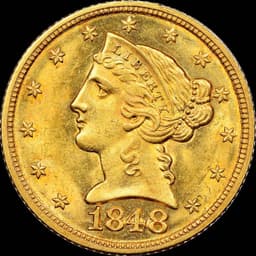
Liberty Head $5 Half Eagle
The longest-running U.S. gold coin design, issued in No Motto and With Motto varieties across seven different mints.
Years: 1839–1908
Gold content: Approximately 0.24187 troy oz
Read guide →
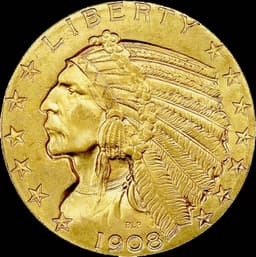
Indian Head $5 Half Eagle
An incuse-design coin where the design is recessed below the coin's surface, with raised branch-mint marks where present.
Years: 1908–1916, 1929
Gold content: Approximately 0.24187 troy oz
Read guide →
Comparing Pre-1933 Gold Denominations
All four coins are struck in the same 90% gold alloy, but their denomination determines their gold content and overall size.
| Coin | Denomination | Years | Actual Gold Content |
|---|---|---|---|
| Saint-Gaudens $20 Double Eagle | $20 Double Eagle | 1907–1933 | Approximately 0.9675 troy oz |
| Liberty Head $20 Double Eagle | $20 Double Eagle | 1850–1907 | Approximately 0.9675 troy oz |
| $10 Liberty Gold Eagle | $10 Eagle | 1838–1907 | Approximately 0.48375 troy oz |
| Liberty Head $5 Half Eagle | $5 Half Eagle | 1839–1908 | Approximately 0.24187 troy oz |
| Indian Head $5 Half Eagle | $5 Half Eagle | 1908–1916, 1929 | Approximately 0.24187 troy oz |
How Pre-1933 Gold Coins Are Priced
Pre-1933 gold coin pricing starts with live gold value based on the coin’s actual gold content, but the final price depends on more than gold value alone.
Important pricing factors include:
Common-date coins in typical circulated or lower Mint State condition may trade primarily around their gold value plus a market premium. Scarcer dates, important varieties, and high-grade certified coins require separate numismatic evaluation. We do not publish a fixed buy percentage or permanent premium.
Double Eagles vs. Half Eagles
Double Eagles and Half Eagles are both pre-1933 U.S. gold denominations, but they are not interchangeable. A $20 Double Eagle contains approximately 0.9675 troy ounce of actual gold, while a $5 Half Eagle contains approximately 0.24187 troy ounce — roughly one quarter of a Double Eagle’s gold content.
Because of this size difference, Double Eagles generally carry a higher gold value per coin, while Half Eagles can appeal to buyers who want a smaller unit of historical U.S. gold. Numismatic premiums apply separately from denomination and depend on the specific date, mintmark, design type, and condition of each coin.
Common Mistakes With Pre-1933 Gold Coins
Assuming every pre-1933 gold coin is rare
Many common-date pre-1933 gold coins survive in large numbers today, often because they were recovered from overseas bank holdings decades after being minted. Age alone does not make a coin scarce.
Confusing gold content with total weight
Pre-1933 U.S. gold coins are a 90% gold alloy, so their total weight is higher than their actual gold content. A Double Eagle contains approximately 0.9675 troy ounce of gold, not a full troy ounce, and a Half Eagle contains approximately 0.24187 troy ounce.
Treating a Double Eagle and a Half Eagle as interchangeable
A $20 Double Eagle contains roughly four times the gold of a $5 Half Eagle. The two denominations should never be priced or compared as if they were the same coin.
Cleaning the coin before selling
Cleaning can permanently reduce a pre-1933 gold coin's numismatic value, even though it does not remove gold content. Bring the coin in as-is or text photos before doing anything to it.
Skipping certification verification
A PCGS or NGC holder should be checked against the certification number on the issuing service's website before a numismatic premium is assumed to apply.
Why Buy or Sell Pre-1933 Gold Locally in Highland, Utah
A pre-1933 gold coin with potential numismatic value deserves an in-person evaluation, not a phone estimate. Bringing the coin to our Highland, Utah location lets us verify authenticity, gold content, date, mintmark, and condition before making an offer — with no need to ship a valuable coin or take on mail-related risk.
Whether you have a single coin or an inherited collection of pre-1933 U.S. gold, we can walk through what needs to be checked. Text photos of both sides, the date, the mintmark area, and any certification label before visiting for a preliminary sense of what you have.
Call or text 385-442-9636 to ask about current pre-1933 gold coin inventory.
Frequently Asked Questions
Pre-1933 U.S. gold coins are gold coins minted for circulation before the 1933 federal restrictions on private gold ownership. Gold Silver Crypto currently covers the Saint-Gaudens $20 Double Eagle, Liberty Head $20 Double Eagle, $10 Liberty Gold Eagle, Liberty Head $5 Half Eagle, and Indian Head $5 Half Eagle.
It depends on the specific coin. Many common-date pre-1933 gold coins trade close to their gold value plus a modest premium, while scarcer dates, certain mintmarks, and higher-grade certified examples can carry meaningful numismatic value above melt. Each coin needs to be evaluated individually.
A Double Eagle is a $20 gold coin containing approximately 0.9675 troy ounce of actual gold. A Half Eagle is a $5 gold coin containing approximately 0.24187 troy ounce of actual gold — roughly one quarter of a Double Eagle's gold content. The face value denomination reflects this ratio.
No. Pre-1933 U.S. gold coins are struck in a 90% gold, 10% copper alloy, so their total coin weight is higher than their actual gold content. A Double Eagle's total weight is about 33.436 grams but contains about 0.9675 troy ounce of actual gold; a Half Eagle's total weight is about 8.359 grams but contains about 0.24187 troy ounce of actual gold.
Certification is not required to sell, but a PCGS or NGC holder can support a coin's grade and authenticity, particularly for scarcer dates or higher-grade examples. We buy both raw and certified pre-1933 gold coins.
Yes. We regularly evaluate inherited collections that include Double Eagles, Half Eagles, and other pre-1933 U.S. gold coins. Bring in what you have, or text photos first, and we can walk through what needs to be checked before making an offer.
Gold Silver Crypto buys pre-1933 U.S. gold coins at our Highland, Utah location. We evaluate date, mintmark, condition, variety, and certification in person before making an offer. Call or text (385) 442-9636 to set up a time or ask questions first.
No. Cleaning can permanently reduce a pre-1933 gold coin's numismatic value, even though it does not remove gold content. Bring the coin in as-is or text clear photos before doing anything to it.
About This Guide
Editorial note: Pre-1933 U.S. gold coin values depend on gold spot price, date, mintmark, condition, certification, and collector demand. This page is intended as a buying and selling guide, not a price list, appraisal, or financial advice.
Last updated: July 2026